Three design strategies. One challenging target. And a surprising lesson from nearly half our GPU compute.
For the second Anthropic × Adaptyv protein design challenge, we ran three agentic AI design routes in parallel: scFv, VHH, and de novo miniproteins for the target protein TNF-α.
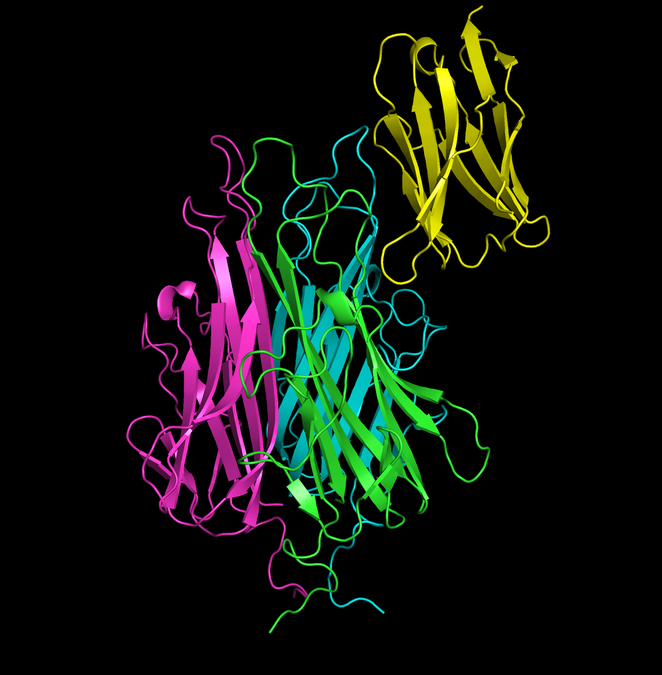
TNF-α forms a homotrimer, making binding-site accessibility and target geometry important challenges in protein design.
One of our biggest challenges was the scFv route using BindCraft2. We explored six genuine troubleshooting approaches across more than 28 GPU trajectories, targeting regions associated with the known TNF-α-binding antibodies infliximab and adalimumab. Yet, we obtained no accepted designs, with the predicted interface confidence metric, ipTM, remaining around 0.1–0.2. We still don’t know the main bottleneck: hotspot selection, scaffold constraints, target geometry, or the design setup itself. Protein expert, any insight on this?
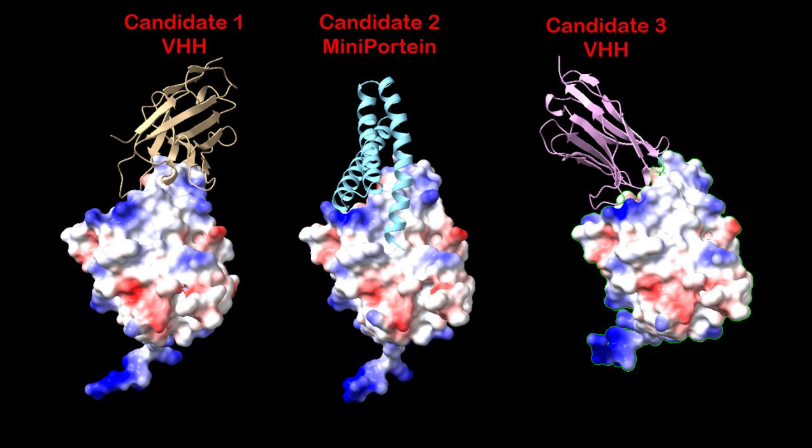
Meanwhile, our VHH and miniprotein routes generated candidates predicted to bind both human and mouse TNF-α.
The lesson: more compute doesn’t necessarily mean better designs. Better biological hypotheses matter.
At WeDaita, we’re building agentic AI to take drug discovery from target to candidate—not through scripted success, but through iterative design, testing, and learning.
Share this article:
Related Articles

Latest News
Anthropic × Adaptyv Protein Design Competition
1 week, 2 days agothe First Anthropic × Adaptyv Protein …
1 week, 2 days agoWeDaita v2.12.0 is live
1 week, 2 days agoWeDaita v2.11.0 is live
3 weeks, 3 days agoWeDaita v2.10.0 is live
1 month agoSubscribe to WeDaita News
Get notified about important company updates, product launches, and announcements directly to your inbox.